Top 5 Mistakes to Avoid When Hiring a Custom Home Builder
Nowadays, building a custom home or planning a major renovation is a big life decision. No doubt, it is exciting, but it can also feel difficult at the same time. From budgets and timelines to permits and design choices, there are many moving parts to think about. Therefore, hiring a custom home builder is one of the most important steps in the entire process. Moreover, many homeowners start their search without knowing what to expect. As a result, small early mistakes can lead to delays, unexpected costs, and unnecessary stress later. However, when you understand what to watch for and how to prepare, the experience becomes much easier and more organized.
In this article, we will look at the most common mistakes homeowners make and how to avoid them before your project begins. Let's explore them together!
Why Hiring the Right Builder Matters More Than Most Homeowners Expect?
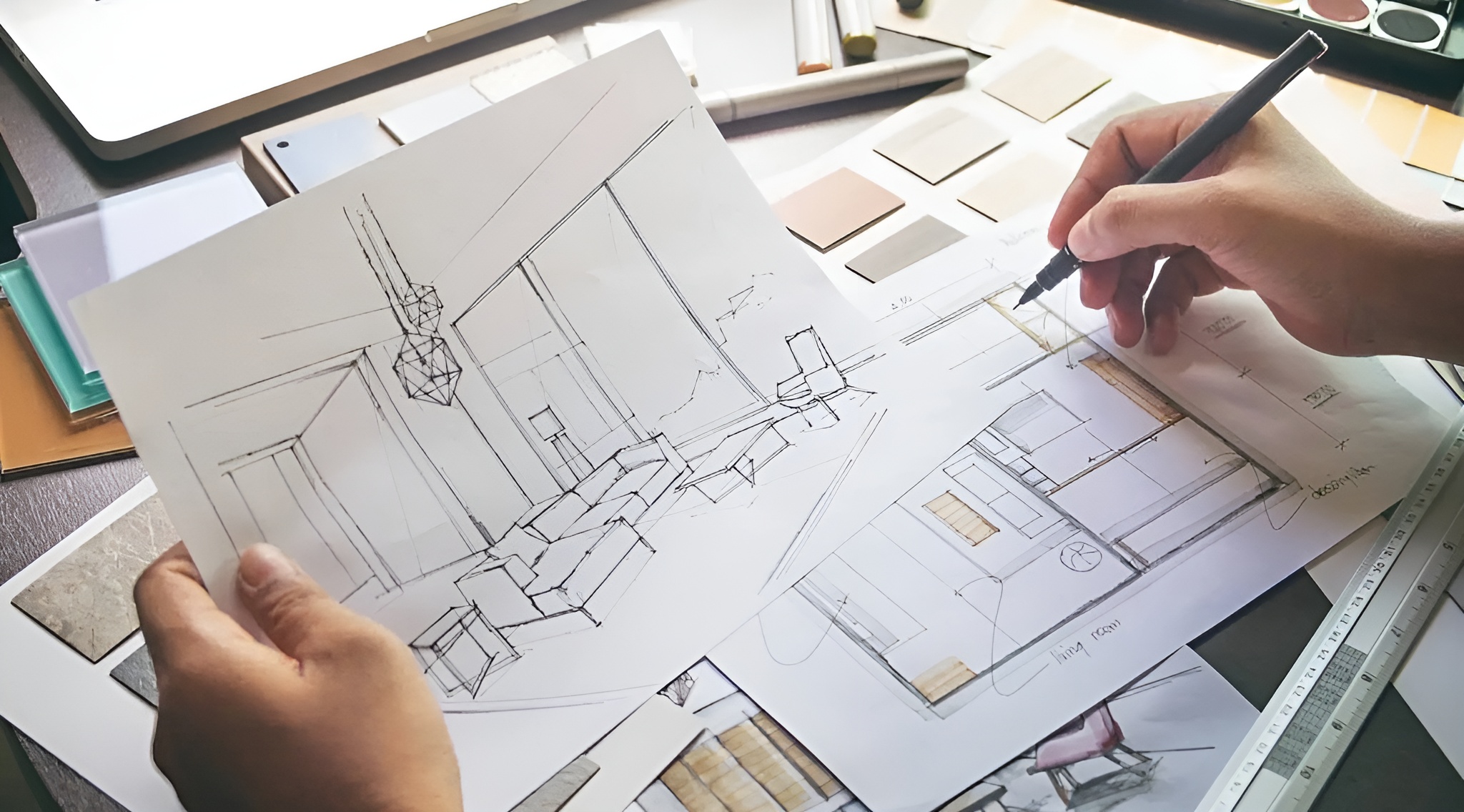
A custom home project involves many steps, and most of them depend on the builder you choose. From early planning to the final handover, the builder helps organize schedules, manage materials, and coordinate different teams. Because of this, hiring a custom home builder is not just about construction. It is about choosing the person who will guide the entire journey.
Many homeowners focus mainly on design ideas or finished photos. While these things matter, what happens behind the scenes is just as important. Clear communication, planning systems, and honest timelines all play a big role in the final result. This is why choosing a custom home builder should always involve more than comparing portfolios or prices.
Also, working with the right professional builds trust and helps reduce uncertainty. Learn hiring a home builder tips, like asking about communication style and planning approach, can make a big difference. When expectations are clear from the start, projects feel more organized and less stressful for everyone involved.
The Top Mistakes Homeowners Make When Hiring a Custom Home Builder
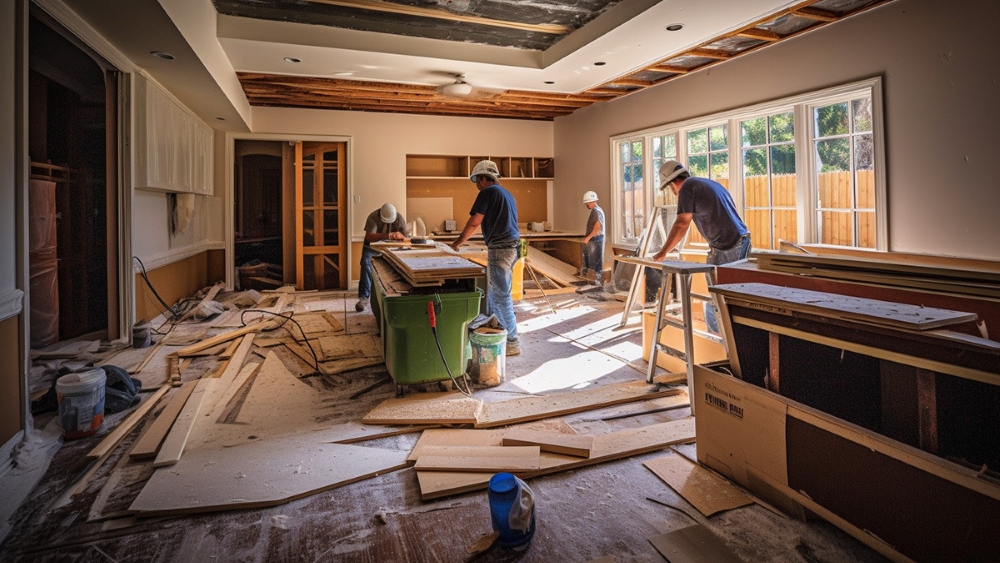
No doubt, many homeowners feel excited when they start planning a custom project. However, excitement sometimes leads to rushed decisions. If key steps get missed, small issues often turn into bigger problems later.
Mistake #1: Not Defining the Type of Builder Your Project Requires
Every home project is different. Some involve building from the ground up, while others include large renovations or extensions. Because of this, hiring a custom home builder without understanding the type of experience your project needs can create confusion early on.
- Why does this create problems later?
Many homeowners think every builder offers the same services. Some focus on new home construction, while others mainly take on remodels or smaller projects. When the experience does not match the project, communication gaps and delays often appear later.
- How to approach this step correctly?
Before starting meetings, it helps to understand what to look for in a custom home builder. Think about your goals, the size of your project, and the level of customization you expect. When expectations are clear from the beginning, it becomes easier to compare professionals and move forward with confidence.
Mistake #2: Skipping the Most Important Questions Before the First Meeting
Many homeowners feel ready to move forward after a good first impression. But those first talks often stay too basic. When details are not discussed, confusion can appear once the project begins. This is why hiring a custom home builder should always start with clear and direct questions.
- What do homeowners often forget to discuss?
Before choosing a builder, think about how communication will work during the project. Find out who will give updates, how often you’ll hear about progress, and how decisions will be made. Sorting this out early helps stop confusion later.
- How does preparation improve early meetings?
Make a short list of questions to ask a home builder before the meeting. When expectations are clear from the start, both sides feel more sure about the next steps.
Mistake #3: Choosing Based on Price Instead of Overall Value

Budget is always important, yet price alone should never guide the final decision. Many common home builder mistakes begin when homeowners choose the lowest quote without looking deeper. At first, a low price can seem like a good deal, but it may hide missing details or timelines that will not work in real life.
- Why can the lowest bid create risk?
Low pricing may mean limited planning support or gaps in the project scope. These issues often appear later as delays or extra costs.
- How to compare builders fairly?
Do not focus only on the price. Check their planning support, how they communicate, and how clear their pricing is. In the long run, choosing hiring a custom home builder based on value instead of price often leads to smoother progress and better results.
Mistake #4: Not Understanding the Builder’s Process and Project Management
Custom projects include many steps. Permits, inspections, suppliers, and subcontractors all need careful coordination. When homeowners do not understand how the process works, delays and stress become more likely.
- Where does confusion usually start?
Many people assume the builder will handle everything automatically. However, each company follows its own systems and timelines.
- Why process clarity builds confidence?
Before moving forward, ask the builder to explain how each phase will be managed. Many custom home builder mistakes happen when the process is assumed rather than explained. Hiring a custom home builder becomes much easier when the steps are clear from the start.
Mistake #5: Overlooking Contracts, Permits, and Legal Protection

Legal and administrative details may feel overwhelming, but they play a very important role in protecting your project. Ignoring these steps can create problems later.
- What homeowners underestimate?
Contracts should clearly explain scope, responsibilities, timelines, and insurance coverage. When details remain unclear, small issues can grow into larger disagreements.
- How to protect your project early?
Some warning signs appear when documents are unclear or missing. For this reason, hiring a custom home builder should always include a careful review of agreements and approvals before work begins.
How to Create a Smart Custom Home Builder Checklist?
Making a clear checklist before hiring a custom home builder helps you compare options in a simple and practical way. It keeps your focus on quality, process, and long-term reliability instead of first impressions.
Step 1: Define Your Project Scope and Goals
Before talking to any expert, take some time to think about what you want to build or make better. Making goals clear helps you talk to people more easily and avoids misunderstandings afterwards.
What to define first?
- Tell us what kind of project you have in mind.
- Write down your budget range and general schedule.
- Find the features that are most important to you.
This early clarity supports how to hire a custom home builder with confidence and direction.
Step 2: List Criteria for Choosing the Right Builder
As with any job, not every worker is right for every job. When you set criteria early on, you can compare choices fairly and avoid making hasty decisions.
Important criteria to include:
- Experience with similar project types
- Clear and consistent communication style
- Structured project management approach
- Transparency in timelines and pricing
This step helps you build a practical checklist you can reuse during each meeting.
Step 3: Prepare Key Questions Before Meetings
Better conversations help you make better decisions. Preparing questions early shows how a builder really works.
Questions worth asking early
- How are changes handled once work begins?
- How often will you receive updates on progress?
- Who takes care of permits and inspections?
- What happens if delays or unexpected issues come up?
Step 4: Compare Builders Using the Same Framework
Indeed, consistency makes comparison easier. Comparing all builders in the same way makes the choice more fair.
How to compare fairly?
- Use the same checklist to look over each builder.
- Look at how the two groups talk to each other and plan.
- Take note of any areas where things aren't clear or well-documented.
This approach supports the best way to choose a home builder without confusion.
Step 5: Document Expectations Before Moving Forward
Before making a final decision, write down the expectations that matter most. Clear paperwork helps avoid confusion once the project begins.
What should be documented?
- Scope expectations
- Communication preferences
- Timeline assumptions
- Change management approach
Clear notes support smoother collaboration and reduce the risk of misalignment later.
How do these mistakes affect cost, Timeline, and Long-Term Satisfaction?
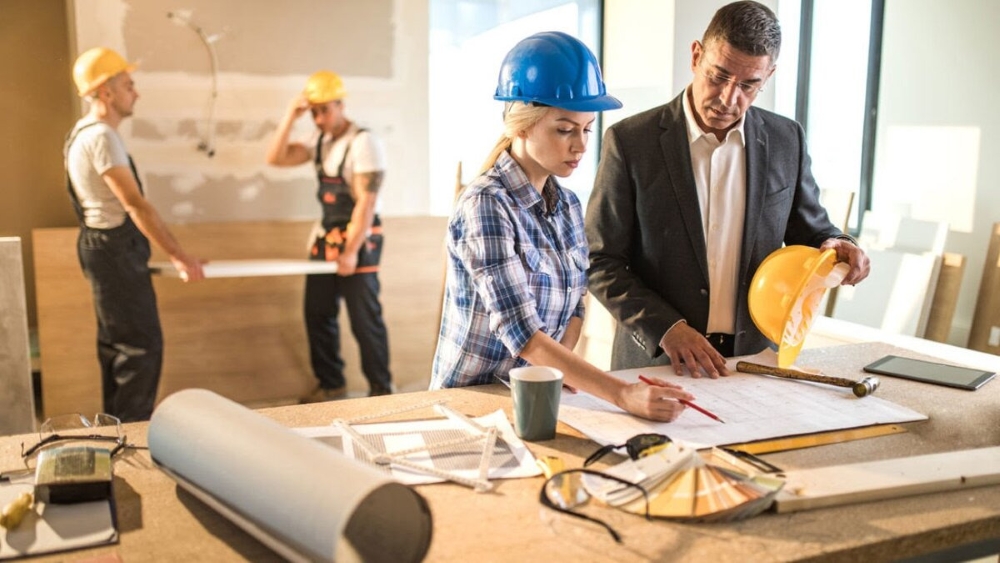
Small decisions at the start can affect the project after a few times. Early mistakes often lead to higher costs, longer timelines, and more stress. That is why hiring a custom home builder should begin with careful planning and clear expectations.
How do costs increase over time?
When details are unclear, changes often happen later during construction. These changes can mean more materials, extra labor, and unexpected costs.
Where do extra costs usually appear?
- Design changes after work begins.
- Unclear project scope or missing details.
- Delays that extend the labour and material use.
Careful planning at the beginning helps control spending and reduce surprises.
How do timelines become longer?
Construction projects depend on coordination between many teams. When communication is unclear, progress slows down and schedules shift.
Common causes of delays
- Waiting for decisions or approvals.
- Changes were asked for late in the process.
- Teams not understanding each other.
Realistic planning and early communication help keep the schedule on track.
How is long-term satisfaction affected?
A home project is not only about finishing the build. It is also about how homeowners feel during the journey and after it is complete.
Long-term impact of early mistakes
- More stress during building.
- Being unhappy with the finished space..
- More repairs or maintenance will be needed later
Clear planning, strong communication, and realistic expectations support a better experience from start to finish.
How to Plan Your Project the Right Way from Day One?
Good planning at the start can prevent many problems. When homeowners prepare early, projects usually move more smoothly, face fewer delays, and lead to better results when hiring a custom home builder.
Step 1: Start with Layout and Functionality
Before choosing materials or finishes, think about how the home will be used each day. This type of planning helps you make better choices as the project goes on in the future.
Key points to consider
- Identify how each space will function.
- Think about long-term lifestyle needs.
- Consider how rooms connect and flow.
Early planning reduces the need for costly design changes later.
Step 2: Understand Approvals and Responsibilities
Permits and approvals usually take time. Knowing who manages these steps helps prevent confusion once the project begins.
What to clarify early?
- Who handles permits and inspections?
- Expected approval timelines
- Documentation responsibilities
Clear roles help the project move forward smoothly and cut down on surprises.
Step 3: Set Realistic Timelines and Milestones
Every project depends on many moving parts. Realistic schedules create better expectations for everyone involved.
How to build a practical timeline?
- Define key project milestones.
- Ask how delays will be handled.
- Allow reasonable buffer time.
Making realistic schedules can help keep people from getting upset during construction.
Step 4: Document Decisions and Change Processes
Changes are common in custom projects. Planning how they will be managed keeps the process organized.
Important points to agree on
- How will it be requested?
- How will pricing adjustments work?
- How will it be documented?
Clear processes help avoid confusion and unexpected costs.
Step 5: Build Communication into the Plan
Effective teamwork is supported by regular contact throughout the project.
How to plan communication
- Agree on update frequency.
- Confirm the main point of contact.
- Decide how concerns will be shared.
When communication is planned from the start, the building experience becomes easier and more predictable.
Conclusion
To sum up, building or remodeling a home is a big step, and the decisions you make at the start can affect the whole process. When you understand the risks, ask the right questions, and plan each stage carefully, you can avoid mistakes when hiring a home builder that lead to delays, extra costs, and stress.
The goal of hiring a custom home builder is not only to complete the project but also to create a process that feels clear, organized, and manageable from beginning to end. Careful preparation, realistic expectations, and open communication can make the journey far more positive and rewarding.
With the right approach and thoughtful planning, homeowners can move forward with confidence and enjoy a finished space that truly supports their lifestyle for many years.
For expert guidance and exceptional results in your home renovation project, contact DMV General Contracting Group at +1 240-730-1292 or support@dmv-gc.com. Let us help you master the art of renovation and create a home that perfectly aligns with your style and needs.